Why Payroll Accuracy Is Critical to Employee Satisfaction
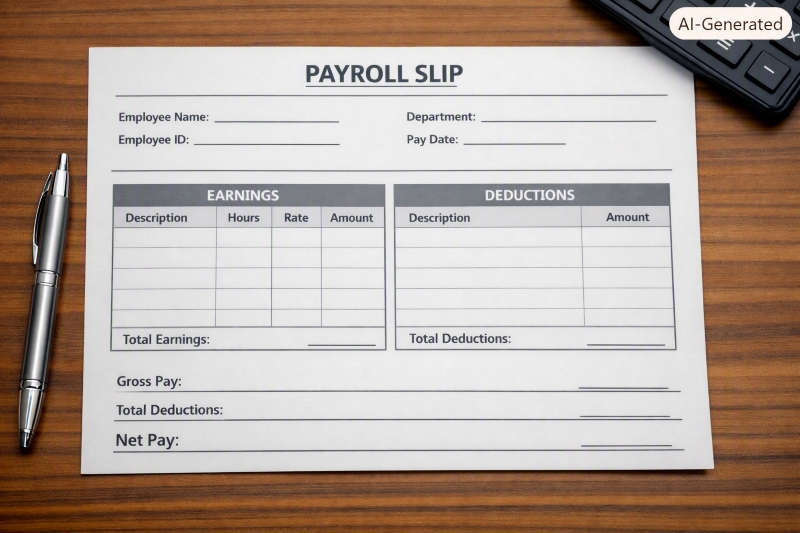
Payroll is one of the most fundamental touchpoints between an employer and an employee. Every payslip represents hours worked. When payroll is accurate, employees feel seen and respected. When it is not, frustration builds quickly. People plan their lives around payday, and even a small mistake can disrupt budgets and create unnecessary stress. Accuracy becomes a reflection of how seriously a company values its workforce.
Employees expect their compensation to be correct because it is tied directly to their livelihood. Things like rent, groceries, childcare, transportation, and personal responsibilities all depend on receiving the right amount at the right time. A single miscalculation can cause ripple effects that extend far beyond the workplace. When errors happen repeatedly, trust erodes. Employees begin to question the reliability of the organization. That doubt affects morale, engagement, and overall satisfaction.
Fairness and Transparency in Compensation
Accurate payroll signals fairness. Workers want to know that their contributions are compensated properly. When it is calculated correctly, employees feel confident that the system is equitable. This sense of fairness strengthens engagement. People are more motivated to perform well when they know their efforts will be reflected accurately in their pay.
Mistakes, even unintentional ones, can make employees feel overlooked. A missed allowance or miscalculated overtime can send a message that their time and effort are not being taken seriously. Over time, these small frustrations accumulate, shaping how employees perceive the company’s commitment to their well‑being.
Psychological Stability and Workplace Confidence
Payroll accuracy also influences emotional and psychological stability. Getting paid correctly reinforces a sense of security. It tells employees that the organization is organized, competent, and respectful of their time. In workplaces where payroll runs smoothly, employees rarely think about it. That is the ideal scenario. Payroll should be invisible when it works and immediately noticeable only when something goes wrong.
Errors disrupt that stability. They create anxiety and distract them from their work. Even if the issue is resolved quickly, the emotional impact lingers. Employees remember how the mistake made them feel. That memory shapes their overall satisfaction.
Strengthening Relationships and Reducing Conflict
Accurate payroll contributes to stronger employer‑employee relationships. When people trust that their compensation is handled properly, they are more likely to stay loyal to the company. They feel confident recommending the workplace to others. They participate more actively in company initiatives because they believe the organization values them.
From the employer’s perspective, accuracy reduces conflict and administrative burden. Correcting mistakes takes time. Repeated errors can lead to disputes, compliance issues, or even legal consequences. Investing in reliable systems, clear processes, and trained staff prevents these problems. It also supports a smoother workflow for everyone involved.
Conclusion
Payroll accuracy is ultimately about respect. It honors the work employees put in and ensures they receive what they’ve earned without hassle. When companies get payroll right, employees feel secure, appreciated, and motivated. That satisfaction becomes the foundation of a healthier, more productive workplace where trust grows and people thrive.